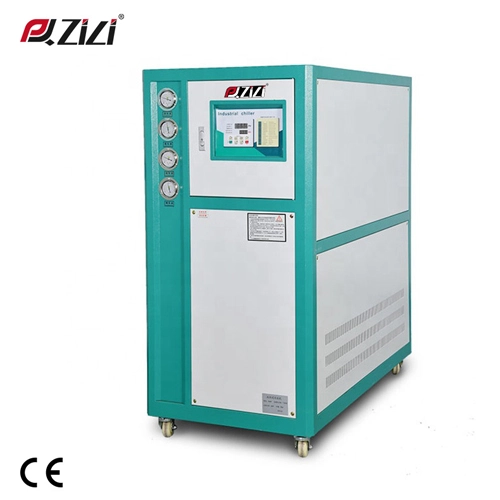
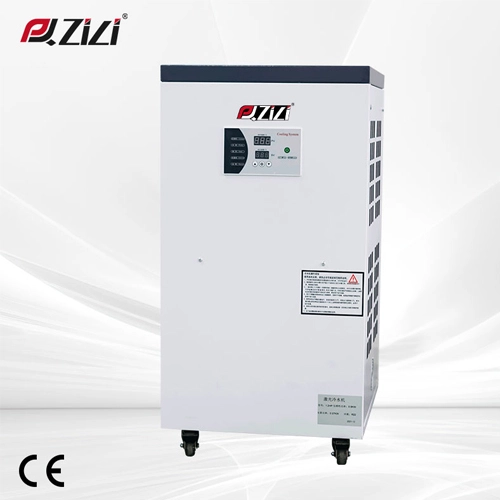
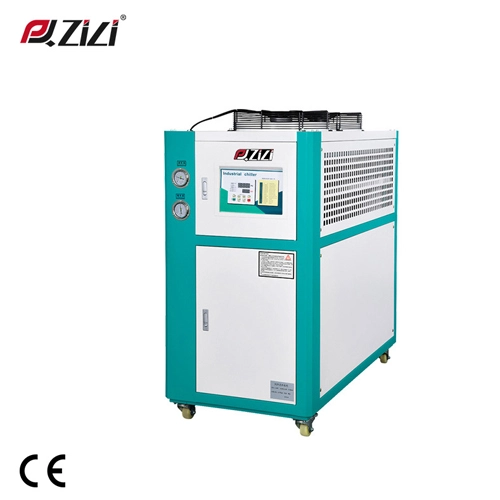
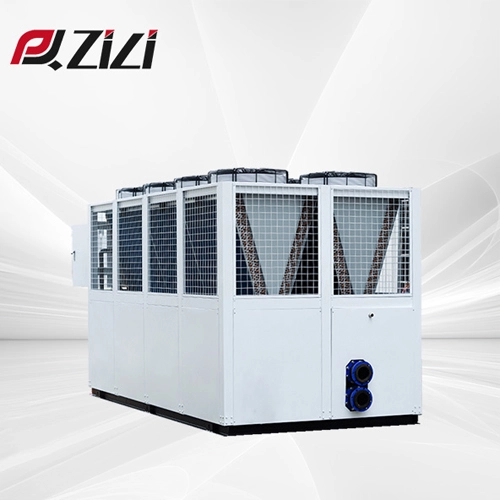
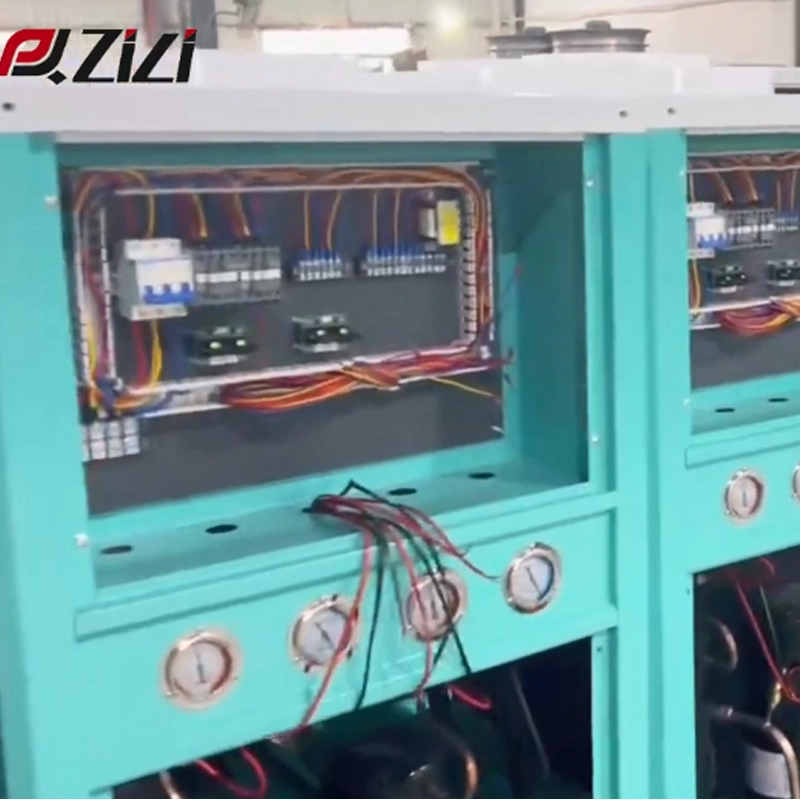
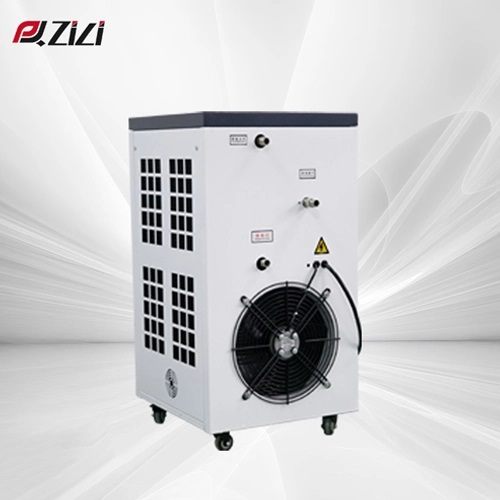
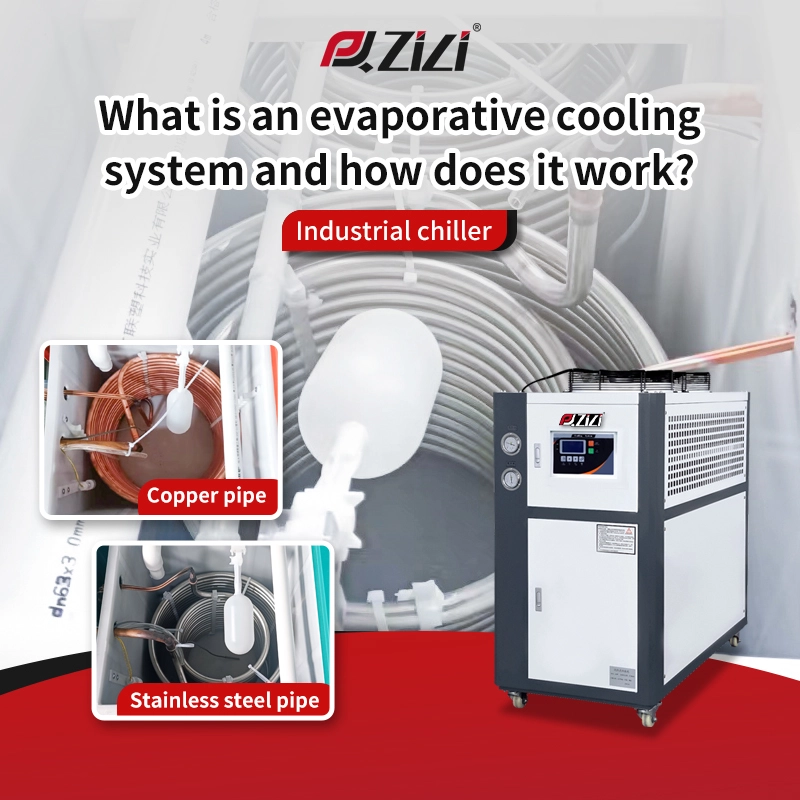
An air cooled screw chiller is an efficient cooling system that uses air to expel heat from the refrigerant. It is widely used in various industrial and commercial applications, offering a reliable and cost-effective solution for temperature control. This guide covers the proper usage, operational procedures, and maintenance tips for an air cooled screw chiller, ensuring it delivers optimal performance throughout its life.
To ensure the screw air cooled chiller runs efficiently and reliably, it's essential to follow a proper operational procedure. The following steps outline how to correctly start and operate the chiller:
| Operation Step | Action Required |
|---|---|
| Startup Procedure | Verify the chiller settings on the control panel. Power on the system and set the required temperature. |
| Temperature Settings | Set the desired temperature via the thermostat or controller. |
| Monitoring Performance | Continuously monitor pressure, temperature, and refrigerant levels during operation to ensure efficiency. |
| Shutdown Procedure | Gradually reduce the load and power off the system. Check for any abnormal sounds or leaks. |
Proper start-up and shutdown protocols are critical to avoid inefficiency or damage to the chiller. Make sure to monitor the system during operation for any signs of malfunction.

Regular maintenance is essential to keep the industrial screw chillers functioning optimally. Periodic checks and servicing can help prevent unexpected breakdowns and extend the lifespan of the system. Below are the key maintenance tasks to be performed regularly:
Filter Cleaning/Replacement: Dirty air filters restrict airflow, causing inefficiency. Clean or replace the filters to ensure proper ventilation and performance.
Compressor Inspection: Check the compressor for any signs of wear, unusual vibrations, or noise. Ensure the refrigerant level is adequate to avoid overheating.
Fan and Coil Maintenance: Regularly inspect and clean the fan and condenser coils to remove dust and debris, preventing blockage of airflow and heat exchange.
Leak Checks: Periodically inspect the system for refrigerant leaks, as low refrigerant levels can significantly impact cooling performance.
By following a routine maintenance schedule, you can ensure the air cooled screw chiller operates at peak efficiency and avoids costly repairs.

Despite their reliability, air cooled screw chillers can occasionally encounter issues. Identifying and addressing problems early can prevent major system failures. Below are some common issues and their troubleshooting solutions:
| Issue | Potential Solution |
|---|---|
| Ineffective Cooling | Check refrigerant levels and ensure proper airflow by cleaning the coils and filters. |
| Excessive Noise | Inspect the compressor and fan for any loose parts or damage. Tighten or replace as necessary. |
| High Power Consumption | Clean the coils and filters, and ensure the chiller is not overloaded, which can lead to increased power usage. |
| Frequent Shutdowns | Verify that the chiller is operating within recommended load conditions. Check for faulty components or electrical issues. |
If any of these issues occur, immediate attention is needed to prevent further damage and ensure the system continues to function properly.

This guide provides essential instructions for the operation, maintenance, and troubleshooting of an air cooled screw chiller. By following these steps, you can ensure the chiller operates efficiently, extends its service life, and minimizes downtime.
 +86-178-1894-1386
  taylor_jiao@pqzili.com