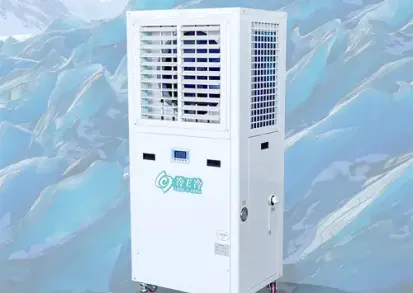
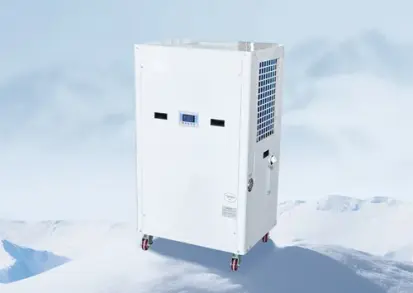
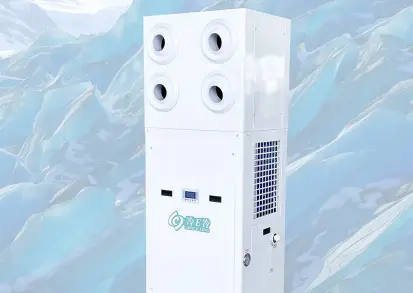
The kitchen air conditioner delivers robust and effective cooling for restaurants, food processing facilities, and commercial kitchens. Engineered to withstand elevated temperatures and extended operational periods, it provides robust airflow and extensive air distribution, ensuring a comfortable kitchen atmosphere. Despite lacking oil-proof or corrosion-resistant features, it still provides stable cooling performance through reliable compressors and a robust frame. The unit is simple to install, energy-efficient, and necessitates low upkeep. This air conditioner features adjustable air outlets and a substantial air volume, ensuring efficient temperature regulation and enhanced comfort in challenging kitchen environments.

1. Clean the Air Filter
Remove and clean the air filter every two to four weeks. Use warm water or mild detergent to wash away dust and grease, then let it dry completely before reinstalling. Regular cleaning improves airflow, cooling efficiency, and indoor air quality in high-heat kitchen environments.
2. Wipe the Air Outlet and Louvers
Use a soft cloth or brush to clean the air outlet and louvers. Grease and dust may accumulate on these surfaces, affecting airflow direction and hygiene. Avoid using strong chemicals; instead, use mild cleaner to gently remove dirt without damaging the surface.
3. Clean the Condenser and Evaporator Coils
Every three months, clean the condenser and evaporator coils using a coil cleaner or compressed air. Dust or grease buildup reduces heat exchange efficiency. Proper coil cleaning helps maintain stable cooling performance and prevents system overload or energy waste.
4. Check Drainage and Exterior
Inspect the drainage system to ensure no clogging or water leakage. Wipe the exterior casing regularly to remove dust and oil stains. Keeping the unit clean both inside and outside helps prevent odor, corrosion, and mold, ensuring the kitchen air conditioner runs safely and efficiently.

1. Culinary Establishments
Kitchen air conditioners are extensively utilized in restaurants, hotels, and cafeterias to regulate a pleasant temperature for chefs and personnel. They facilitate the removal of surplus heat from stoves and ovens, enhance air circulation, and foster a more efficient and agreeable cooking environment during extended periods of use.
2. Food Manufacturing Facilities
In food processing and packaging facilities, kitchen air conditioning units deliver consistent cooling to maintain product quality and assure worker comfort. They regulate temperature and humidity, preventing equipment overheating and guaranteeing consistent performance in continuous production lines or heat-intensive environments.
3. Catering and Bakery Workshops
Catering facilities, bakeries, and pastry ateliers employ kitchen air conditioning systems to regulate temperatures in expansive areas where ovens and culinary equipment produce significant heat. Efficient cooling improves air quality, mitigates excessive humidity, and sustains optimal conditions for food preparation and storage.




 +86-178-1894-1386
  taylor_jiao@pqzili.com