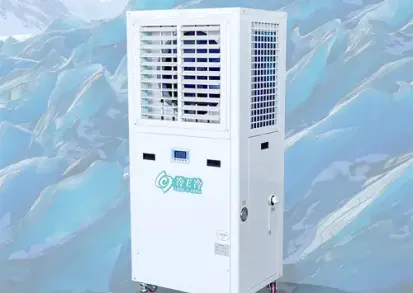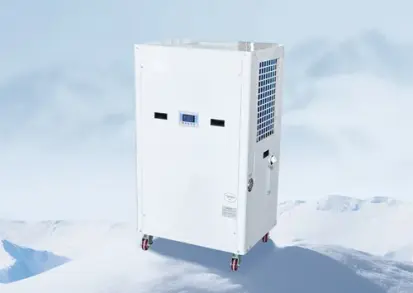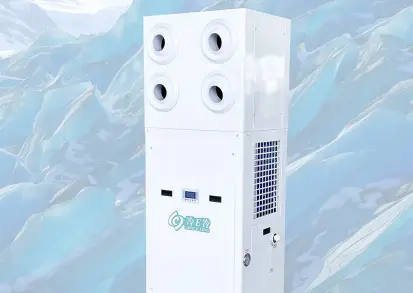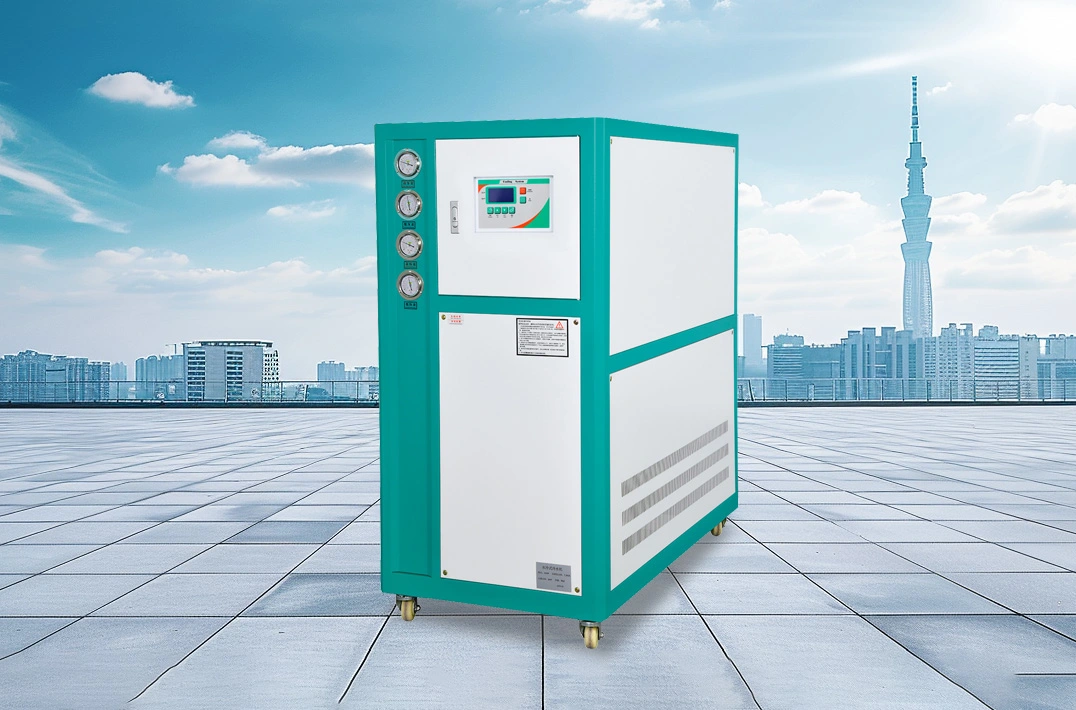
The water-cooled chiller needs to be connected to the water tower before it can be used. When connecting the water tower, the circulating pipe needs to be sealed, we have 5-40HP water chillers to choose from, and we also have larger power screw water chillers to meet the needs of customers.
Our water cooled chillers are engineered for reliability, energy efficiency, and customization.
As a leading water cooled chiller company, we also sells supporting water towers to meet the needs of customers for one-stop shopping.
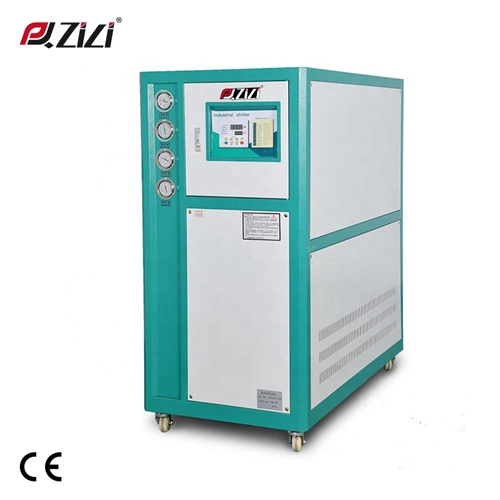
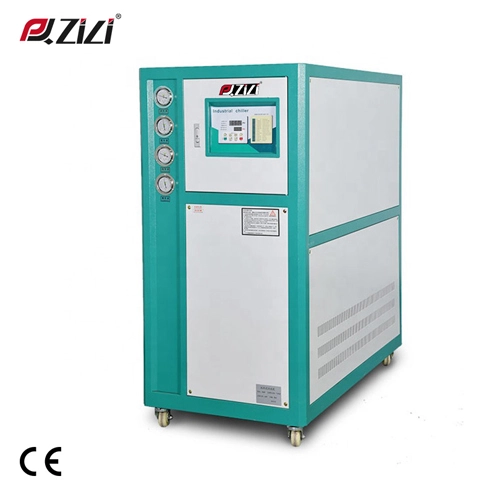
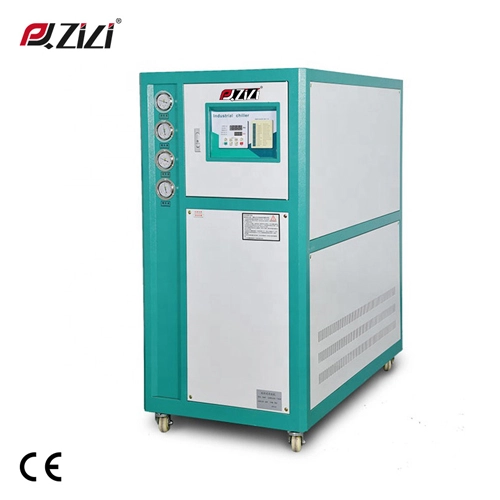
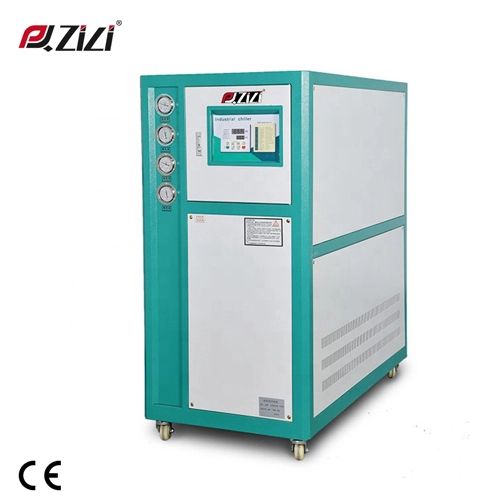
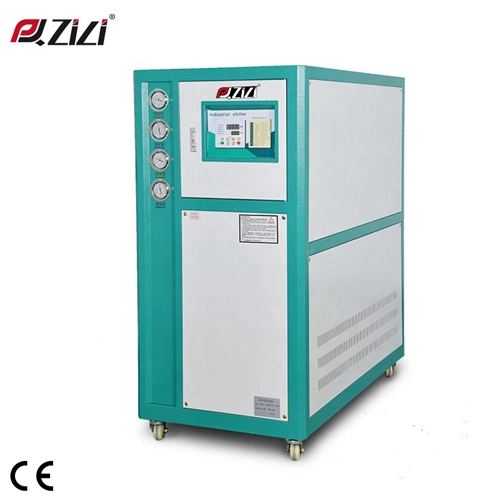
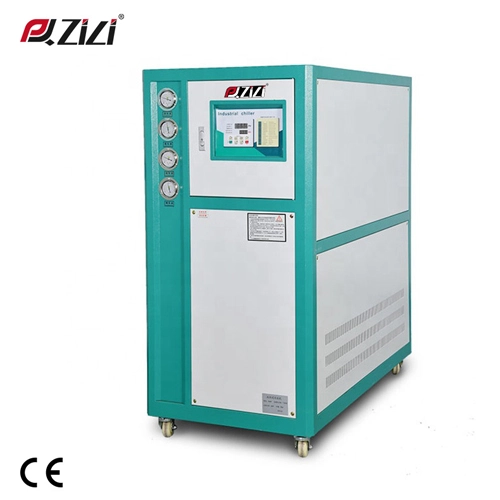
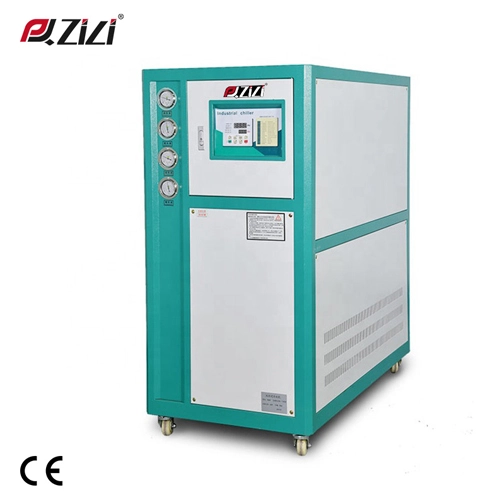
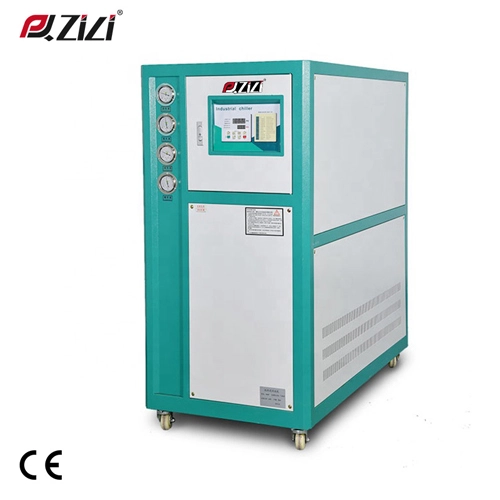
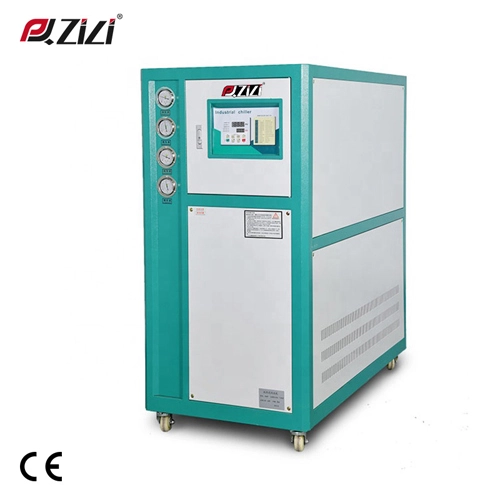
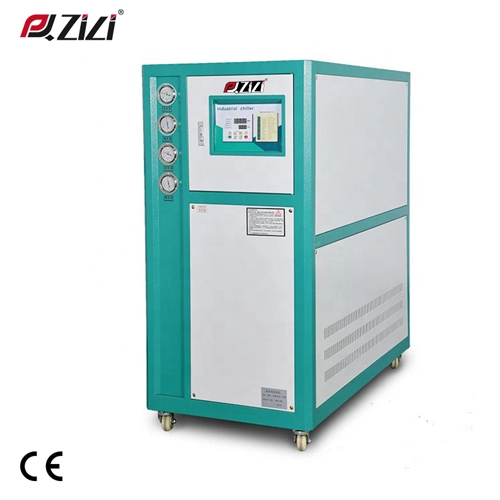

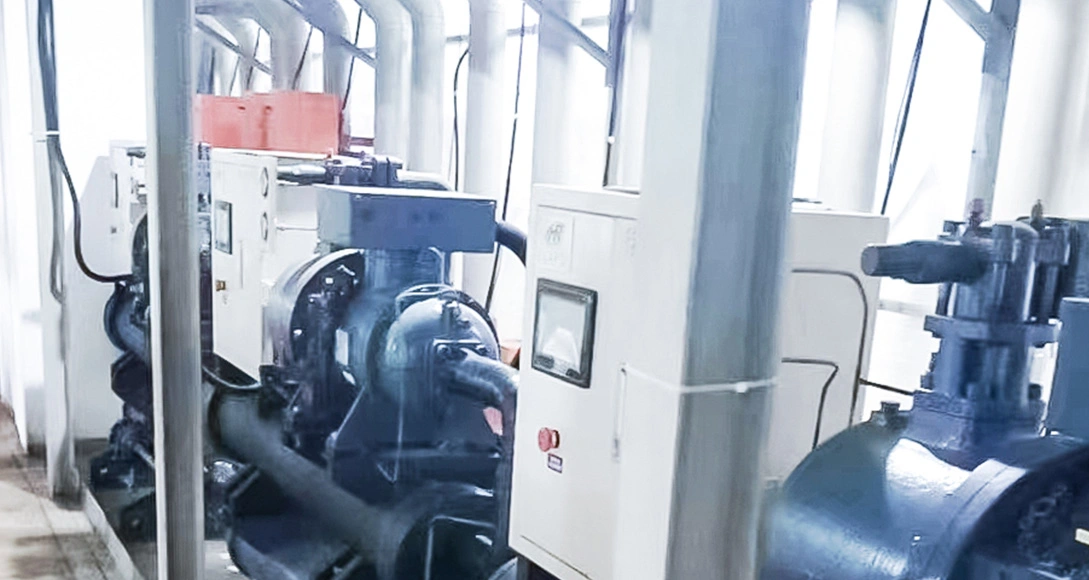
Water-cooled chillers require regular maintenance to ensure optimal performance and longevity. Key tasks include inspecting and cleaning the condenser and evaporator tubes to prevent scaling and fouling, which can reduce efficiency. Regularly check and maintain proper refrigerant levels and inspect for leaks. Monitor and calibrate control systems and sensors. Ensure the cooling tower is clean and functioning correctly, including checking water quality and treating it to prevent corrosion and biological growth. Lubricate moving parts, such as pumps and motors, and inspect electrical connections for wear. Regularly review and update maintenance logs to track performance and identify potential issues early.
1. Energy-Efficient & Eco-Friendly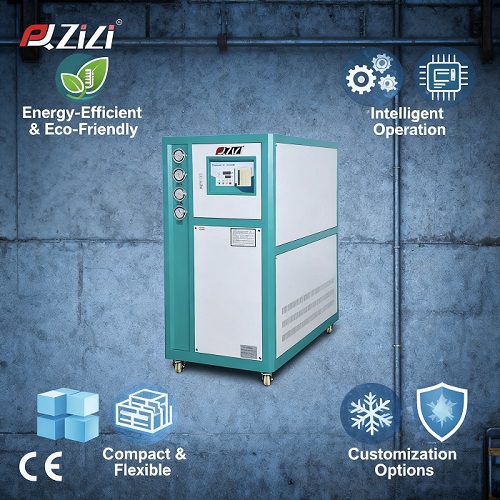
High-performance compressors reduce energy consumption.
Uses environmentally friendly refrigerants to minimize carbon footprint.
2. Intelligent Operation & Maintenance
Intelligent control systems for automated operation.
Maintenance-friendly design reduces downtime.
3. Compact & Flexible Installation
Most components are installed in a single unit.
Can integrate with existing industrial systems and water towers.
4. Customization Options
Low-temperature or explosion-proof chillers are available.
Can adapt to specific industrial requirements.
Plastics & Injection Molding: Shorten production cycles, improve mold cooling accuracy.
Electroplating & Surface Treatment: Maintain consistent temperatures for high-quality finishes.
Electronics Manufacturing: Prevent overheating in sensitive equipment.
Chemical & Pharmaceutical Industries: Ensure stable processing and cooling.
Laser & Welding Equipment: High-efficiency heat removal.
Printing & Packaging: Rapid cooling improves product quality and speed.
Q: What is a water-cooled chiller?
A: A water-cooled chiller is an industrial cooling system that removes heat from equipment via water circulation, requiring a water tower to function efficiently.
Q: What Are the Space Requirements for Installing a Water-Cooled Chiller?
A: The space requirements for installing a water-cooled chiller depend on the unit's size and capacity, but generally, it needs ample room for proper airflow, maintenance, and operation. Typically, a chiller room should have a minimum of 3 feet of clearance around the unit for service access. Additionally, space for associated equipment like pumps, cooling towers, and piping must be considered. Adequate ventilation and drainage are essential to manage heat and potential leaks. Ensure compliance with local building codes and manufacturer specifications for optimal performance and safety. Proper planning and layout are crucial for efficient installation and operation.
Q: What are the advantages of water-cooled chillers?
A: They offer stable temperature control, high efficiency, energy savings, and suitability for large-scale industrial processes.
Q: Can PQZILI provide a complete cooling system?
A: Yes, we also supply water towers and custom solutions to ensure one-stop installation and operation.
Q: How to Choose the Right Water Cooled Chiller?
A: Consider:
Cooling Capacity: Match HP to your equipment (e.g., 40HP for large-scale needs).
Industry Requirements: Select models like PQ-ZL08W for plastics or PQ-ZL06W for closed pipelines.
Customization Needs: Discuss specific requirements with our team.
Our experts can recommend the ideal chiller based on your application.



 +86-178-1894-1386
  taylor_jiao@pqzili.com